

The Hidden Effects of Stress on the Body — and How Women Can Reclaim Their Calm
As we approach the new year, let’s work on lowering that cortisol!
Flashback to the summer, as I was preparing to go on a run, also known as my “hot girl” walks, aka “me time”, and my chest began to tighten as if someone had taken an extra small belt and tried to strap and buckle it across my chest, knowing damn well it could not fit! As my mind realized that continuing to go on the walk would not be a good idea, I took a walk straight to my car and drove myself to the emergency room. By the way, I do not recommend this. It was against my better judgment. Driving to the hospital felt like a ton of bricks.
Taking on too much does not yield the rewards that are often hyped up and celebrated. The single most important health lesson I learned this year is to cut back on stress! As someone who thrives on the motto, “Let Food Be Your Medicine, stress can easily sneak in and change all of that. As women, we tend to take on things in a different way, oftentimes, a lot more than we should. Queue my favorite book at the moment, “The Let Them Theory” by6 Mel Robbins. This book and all the interviews and conversations around it have helped me on my journey to feeling unstuck. Stress raises your cortisol and wreaks havoc on your digestive and nervous systems. Stress and taking care of your body go hand in hand.
Stress has become part of daily life for many women. Between careers, family responsibilities, personal goals, and the constant pressure to “do it all,” stress often feels unavoidable. But while short-term stress can be motivating, chronic stress takes a serious toll on the body, affecting everything from hormones and digestion to sleep, weight, and mental health.
Understanding how stress impacts the body is the first step toward reclaiming balance — and protecting your long-term health.
How Stress Affects the Body
1. Hormones Go Into Overdrive
When you’re stressed, your body releases cortisol, commonly known as the stress hormone. While cortisol is helpful in short bursts, chronic elevation can lead to:
Hormonal imbalance
Increased belly fat
Blood sugar fluctuations
Fatigue and burnout
For women, ongoing stress can also disrupt estrogen and progesterone levels, contributing to mood swings, irregular cycles, and sleep issues.
2. Digestive Health Suffers
Stress directly impacts the gut-brain connection. Many women notice:
Bloating or constipation
IBS-like symptoms
Poor nutrient absorption
When the body is in fight-or-flight mode, digestion becomes a low priority — making it harder to feel energized and well.
3. Sleep Quality Declines
High stress levels can make it difficult to fall asleep or stay asleep. Racing thoughts, nighttime cortisol spikes, and poor sleep cycles leave many women feeling exhausted no matter how many hours they spend in bed.
4. Immune Function Weakens
Chronic stress suppresses immune response, making you more susceptible to:
Frequent colds
Inflammation
Slower recovery from illness
Your body simply can’t repair itself effectively when it’s constantly under pressure.
5. Mental & Emotional Health Is Impacted
Long-term stress can contribute to:
Anxiety and depression
Brain fog
Reduced focus and motivation
Many women normalize this state of overwhelm, not realizing how deeply stress is affecting their emotional well-being.
Practical Ways Women Can Reduce Stress Daily
The goal isn’t to eliminate stress completely — it’s to build resilience and create daily moments of calm.
1. Start Your Day Gently
Avoid immediately checking emails or social media. Instead, try:
Deep breathing for 2–5 minutes
Gentle stretching
Journaling or gratitude reflection
How you begin your morning sets the tone for the entire day.
2. Prioritize Movement You Enjoy
Exercise doesn’t need to be extreme. Stress-reducing options include:
Walking outdoors
Yoga or Pilates
Light cycling or stretching
Movement helps lower cortisol while boosting mood-enhancing endorphins.
3. Nourish Your Body With Stress-Supporting Foods
Certain foods help stabilize blood sugar and support the nervous system, including:
Fatty fish (salmon, sardines)
Leafy greens
Berries
Nuts and seeds
Herbal teas like chamomile or peppermint
Balanced meals can significantly reduce stress-related cravings and energy crashes.
4. Create an Evening Wind-Down Ritual
Signal your body that it’s time to rest:
Dim the lights
Limit screen time
Enjoy a warm shower or tea
Practice slow breathing or meditation
Consistent nighttime routines improve sleep quality and emotional regulation.
5. Set Boundaries Without Guilt
Stress often comes from doing too much for too many people. Learning to say no — and honoring your own needs — is a powerful form of self-care.
Rest is not laziness. It’s essential.
Final Thoughts
Stress is not a personal failure — it’s a biological response to a demanding world. But when left unchecked, it can quietly erode both physical and emotional health. By becoming more intentional about rest, nourishment, movement, and boundaries, women can restore balance and feel grounded again.
Your body is always communicating with you. Listening — and responding with compassion — is the ultimate act of wellness.
I included some helpful reading material below to help you on your journey to living a life with less stress.
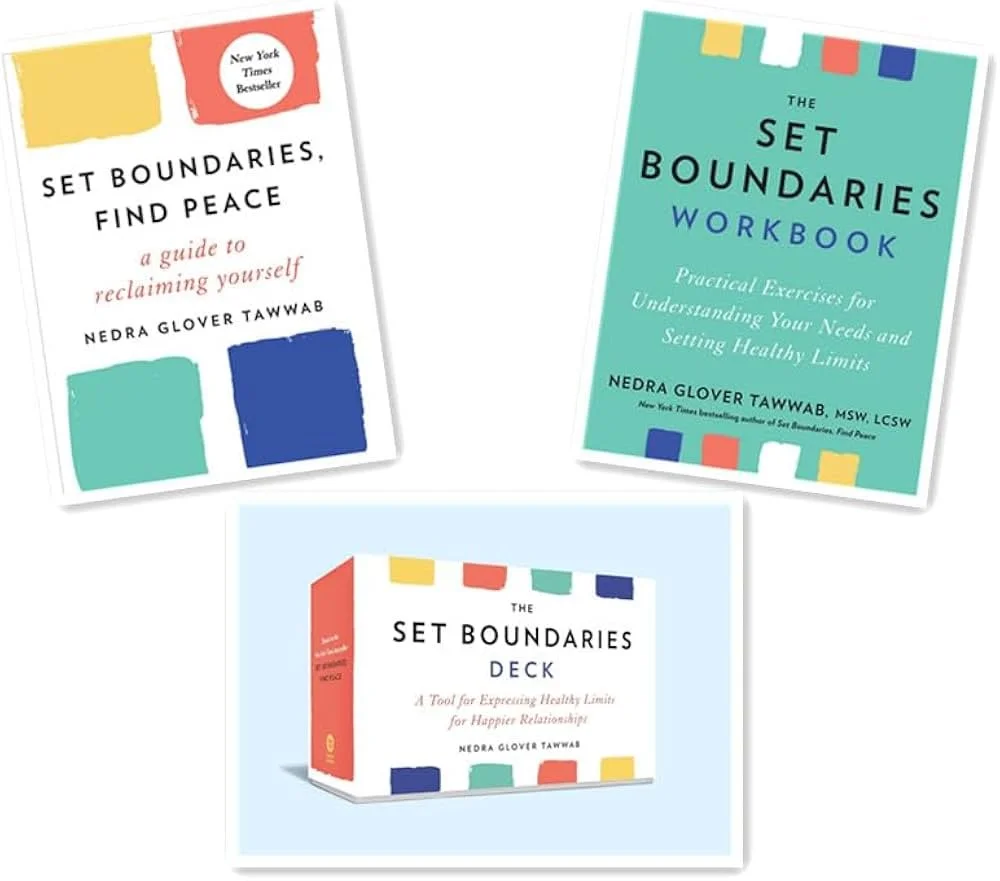
Helpful Books by Nedra Glover Tawwab
Disclaimer: This site shares general health and wellness information for women and is not a substitute for professional medical advice. Always consult your doctor or qualified health provider before making changes to your diet, exercise, or healthcare routine.